
Gravity(Attraction) of Kyoto 29 Over-concentration is the cause of overtourism. ~ Kiyomizu-dera Temple, Arashiyama, Fushimi Inari Shrine: Is decentralized tourism just about
Yoshie Doi
Starting 1st Feb. the Trevi Fountain in Rome, Italy, will require a fee to enter the area closest to the monument. Tourists and non-residents will have to purchase a 2-EUR (JPY370) admission ticket.
Admission tickets are required daily from 9:00 AM to 10:00 PM. Free admission continues for Roman citizens, children up to 5 years old, and those with disabilities and their caregivers. The most famous of Rome’s fountains, the Trevi Fountain, is also known as the Lovers’ Fountain, and has been featured in various films and visited by lovers.
For the Showa generation, this is a familiar location, as it was the filming location for Audrey Hepburn’s “Roman Holiday.” The Mouth of Truth and the Spanish Steps are memorable. France, Italy, and the United States are known as the world’s three major tourist destinations, and have seen a rapid increase in tourists since the COVID-19 pandemic.
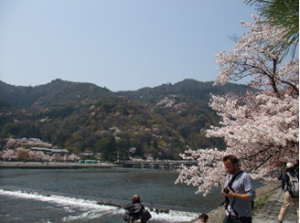
In Japan, too, people are concentrated in the Higashiyama area of Kyoto City, around Kiyomizu-dera Temple, and in the Arashiyama area. On 8th Jan. when I was writing this article, an accident on the Kyoto Municipal Subway caused the subway to be temporarily stopped, and the city bus on my way back from Kawaramachi-Gojo was extremely crowded.
The number of kimono rental shops around Kiyomizu-dera has increased, and the calm atmosphere of the past is no longer there. Most of the passengers on the city bus were tourists. The bus was crowded with foreigners wearing rented kimonos and people carrying suitcases.
The mayor of Kyoto has announced a preferential pricing system for city residents, and is preparing to implement it from 2027, raising public expectations. The “tourist express bus” will also be operational from June 2024, which seems to have eased the restrictions somewhat.
About 20 years ago, it took me 45 minutes by tourist bus to walk from the parking lot of Kiyomizu-dera Temple to Higashioji Street, which normally takes only 5 minutes. The traffic light had changed and I couldn’t go any further.
In recent economic magazines and various articles, We have come across articles that emphasize the need to accurately grasp the number of tourists visiting Kyoto, rather than just relying on rough figures. The total number of domestic Japanese travelers in 2024 is expected to be 539.95 million, with inbound tourists (foreign visitors to Japan) numbering 36.87 million. While inbound tourists are more prevalent in Kyoto, the proportion of inbound tourists in Japan as a whole is only 6.4%.
The Japanese government has set a five-year plan through 2030 targeting 60 million visitors and 15 trillion yen in tourism revenue, but in 2024, per capita spending by inbound tourists in Kyoto is expected to be 78,346 yen, compared with 23,355 yen for Japanese tourists. Long-established businesses are also aware that their businesses thrive thanks to inbound tourists, as evidenced by their English menus.
The Japan Tourism Agency’s “2024 Annual Report: Survey Results and Analysis of Inbound Consumption Trends of Foreign Visitors to Japan” states that the total amount of spending by foreign visitors to Japan in 2024 will be 8.1257 trillion yen.
The countries and regions with the highest spending are China, Taiwan, South Korea, and the United States, with Hong Kong in fifth place. These top five countries and regions account for 65.7% of all spending by foreign tourists visiting Japan. You’re sure to see a lot of people from Southeast Asia in Kyoto.
The average travel expenditure per inbound general tourist in 2024 is expected to be 227,000 yen, broken down by nationality and region as follows: South Korea 109,000 yen, Taiwan 188,000 yen, Hong Kong 249,000 yen, China 277,000 yen, and the United States 332,000 yen.
They are important customers for Kyoto, but we need to consider how to deal with them in the future, including the citizens. (Continued in the next issue)
The end of document
Translated by Masami Otani
